
Master the Art of Automotive Paint Restoration
- Mccreations2002
- Jan 12
- 4 min read
When it comes to keeping your vehicle looking its absolute best, nothing beats the transformative power of automotive paint restoration. Whether your car has endured the harsh Suffolk County sun, road debris, or everyday wear and tear, restoring its paint can bring back that showroom shine. I’m here to guide you through the essentials of this craft, sharing insights and tips that make the process straightforward and effective.
Why Automotive Paint Restoration Matters
Your car’s paint is more than just a color coat - it’s a protective layer that shields the metal underneath from rust, corrosion, and damage. Over time, exposure to UV rays, acid rain, bird droppings, and road salt can dull and degrade this layer. This not only affects your car’s appearance but can also reduce its resale value.
Automotive paint restoration helps reverse these effects by removing imperfections such as swirl marks, scratches, oxidation, and water spots. The result is a glossy, smooth finish that enhances your vehicle’s aesthetic appeal and protects it for years to come.
Here are some key benefits of investing in paint restoration:
Improved appearance: Your car looks newer and more vibrant.
Increased protection: Restored paint resists environmental damage better.
Higher resale value: A well-maintained exterior attracts buyers.
Long-term savings: Prevents costly repairs from rust or paint failure.

Understanding Automotive Paint Restoration Techniques
Automotive paint restoration involves several steps, each designed to address specific types of paint damage. Here’s a breakdown of the most common techniques used by professionals:
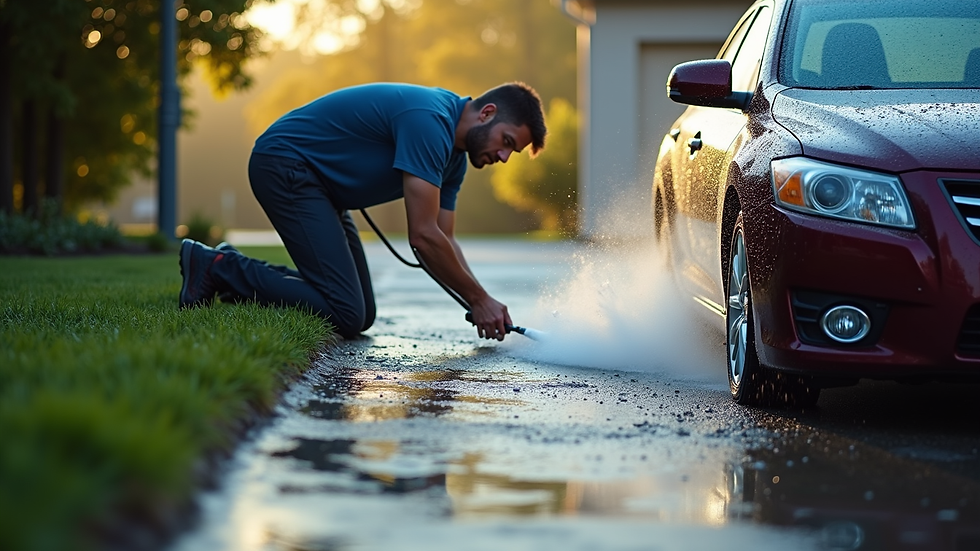
Washing and Decontamination
Before any restoration work, the vehicle must be thoroughly cleaned. This includes washing to remove dirt and grime, followed by decontamination to eliminate embedded particles like tar, tree sap, and iron deposits.
Claying
A clay bar is used to gently lift contaminants from the paint surface that washing alone cannot remove. This step ensures a smooth base for polishing.
Polishing
Polishing is the heart of paint restoration. It involves using abrasive compounds and a polishing machine to remove a thin layer of the clear coat, eliminating scratches, swirl marks, and oxidation. This step restores clarity and shine.
Sealing and Waxing
After polishing, a sealant or wax is applied to protect the newly restored paint. This layer adds gloss and shields the surface from environmental damage.
Optional Ceramic Coating
For long-lasting protection, some opt for a ceramic coating. This advanced layer bonds with the paint, providing superior resistance to scratches, chemicals, and UV rays.
Each step requires attention to detail and the right products to achieve the best results. Skipping or rushing any part can compromise the finish.
What is a paint correction?
Paint correction is a professional process that removes imperfections from a vehicle’s paint surface to restore its original gloss and clarity. It involves carefully polishing the paint to eliminate defects such as swirl marks, scratches, oxidation, and etching caused by environmental factors.
The goal of paint correction is to bring the paint back to a near-perfect condition without compromising the clear coat. This process can range from a simple one-step polish to a multi-stage correction depending on the severity of the damage.
Paint correction is essential for anyone who wants their car to look its best, especially before applying protective coatings or selling the vehicle. It requires skill, patience, and the right tools to avoid causing further damage.

Tips for Maintaining Your Restored Paint
Once you’ve invested time and effort into automotive paint restoration, maintaining that finish is crucial. Here are some practical tips to keep your car looking fresh:
Regular Washing: Use a pH-balanced car shampoo and soft microfiber mitts to avoid scratching the paint.
Avoid Automatic Car Washes: Many use harsh brushes that can cause swirl marks.
Dry Properly: Use a clean microfiber towel or a blower to dry your car, preventing water spots.
Park Smart: Whenever possible, park in shaded areas or use a car cover to protect from UV damage.
Apply Quick Detailer: Between washes, a spray detailer can help maintain shine and remove light dust.
Schedule Periodic Waxing: Reapply wax or sealant every few months to maintain protection.
Address Contaminants Quickly: Bird droppings, tree sap, and bug splatter should be removed promptly to prevent etching.
By following these steps, you can extend the life of your paint restoration and keep your vehicle looking its best for years.
Why Choose Professional Detailing in Suffolk County, NY?
In Suffolk County, NY, the climate and road conditions can be tough on your vehicle’s paint. That’s why professional detailing services are invaluable. We offer premium car detailing that focuses on delivering top-quality service while keeping things simple and clear for you.
Our team uses industry-leading products and techniques to ensure your car receives the highest level of care. From the initial wash to the final polish and protection, every step is handled with precision and attention to detail.
Choosing professional detailing means:
Expertise: Skilled technicians understand how to handle different paint types and damage levels.
Quality Products: We use only the best polishes, sealants, and coatings.
Time Savings: Save hours of work and get superior results.
Peace of Mind: Your vehicle is treated with care and respect.
If you want your car looking its best, professional automotive paint restoration and detailing is the way to go.
Mastering the art of automotive paint restoration is about understanding the process, using the right techniques, and maintaining your vehicle properly. Whether you’re a car enthusiast or just want to protect your investment, these tips will help you achieve a flawless finish that turns heads on every drive. Ready to give your ride the care it deserves? Let’s get started today!


Comments